
Honda Pilot extended warranty
The Honda Pilot is an SUV offered with a gas engine. Here's what the factory warranty covers, what it leaves out and what to look for in a plan.
- BodySUV
- PowertrainGas engine
- StatusOn sale
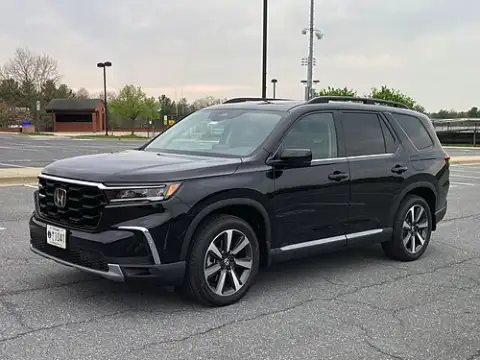
Worth covering
Parts to check in a Pilot plan
- EngineThe engine block, cylinder heads and the internally lubricated parts inside them: pistons, crankshaft, camshafts, timing chain, oil pump and valve train.
- TransmissionThe transmission case and internal parts, the torque converter, valve body and, on most plans, the transmission control module. Automatic, manual, CVT and dual-clutch units are all eligible.
- Transfer case and 4WDThe transfer case and its internal parts, the center coupling on all-wheel-drive vehicles, locking hubs and the 4WD actuator.
How much factory warranty is left on your Pilot?
Estimate only, assuming the car was first sold early in its model year. Your in-service date is on your registration or available from a dealer.
Honda Pilot factory warranty
New Honda vehicles typically come with basic coverage for 3 years or 36,000 miles and powertrain coverage for 5 years or 60,000 miles, whichever comes first. Coverage starts on the date the vehicle was first sold. Terms can differ by model year, so confirm yours in the warranty booklet or with a Honda dealer.
Why body style matters
SUVs carry more weight than cars and many have all-wheel drive, which adds a transfer case or coupling, a rear differential and extra axle shafts. Power liftgates, third-row climate control and panoramic roofs add electrical parts that sit outside powertrain coverage.
Naturally aspirated gas engine
A conventional gas engine has no turbocharger, which removes one expensive part. The costly failures are internal: timing chain components, head gaskets, oil pumps and, on direct-injection engines, the high-pressure fuel pump. Powertrain-level plans cover these internally lubricated parts.
About Honda
Hondas have a strong reliability record, which keeps plan prices lower than average. Newer models use small turbocharged engines and continuously variable transmissions, both more expensive to replace than the older designs.
Choose your coverage
Plan levels for the Pilot
The parts that make the car move, and the most expensive to replace.
Powertrain plus the major named systems.
Exclusionary coverage: everything except a short list of exclusions.
From the blog
Reading for Honda Pilot owners
- Brand guidesHonda Factory Warranty ExplainedWhat Honda's factory warranty covers, how long basic and powertrain coverage last, what is excluded, and your options when coverage ends.4 min read
- Repairs and costsTiming Chain Problems: Symptoms and CausesLearn the warning signs of a stretched or failing timing chain, what causes it, why repairs are labor-heavy, and how service contracts may treat it.4 min read
- Repairs and costsHead Gasket Failure ExplainedWhat a head gasket does, the warning signs of failure, why it happens, what repairs involve and how extended warranties often treat it.4 min read
More from Honda
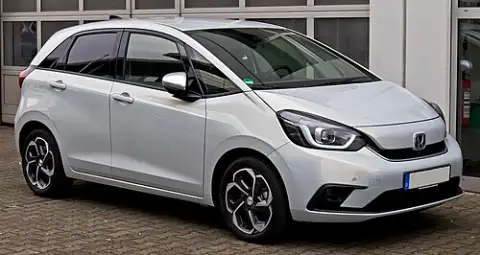
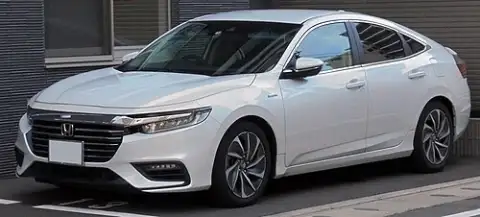
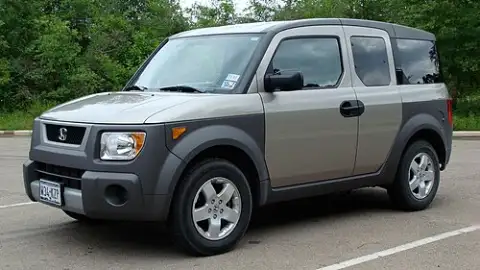
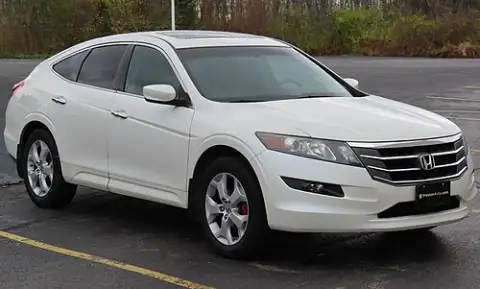
Other Honda models
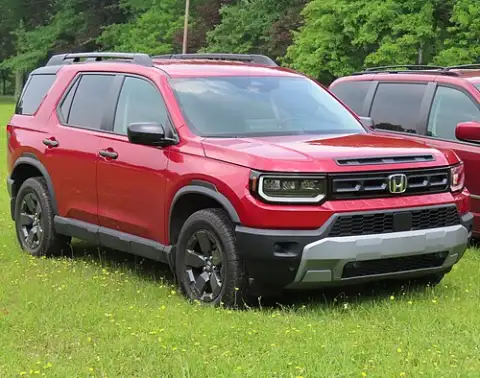
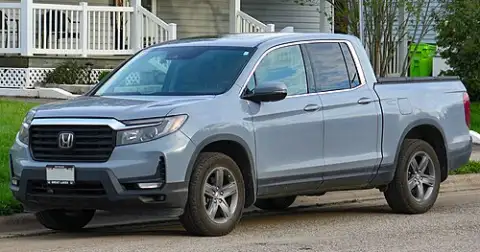
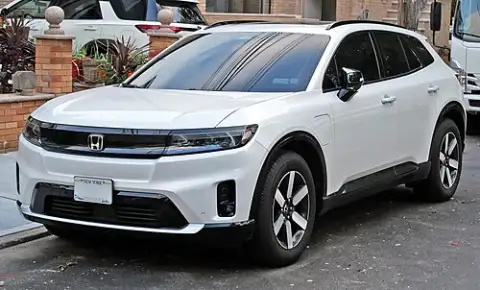
FAQs
Frequently asked questions
Is the Honda Pilot eligible for extended coverage?
Eligibility depends on the vehicle's year and mileage, and each provider sets its own limits.
Which coverage level fits a Honda Pilot?
If the gas engine and transmission are your main concern, a powertrain plan covers them. If you also want air conditioning, electrical parts and electronics covered, look at a mid-level or comprehensive plan.
How much does a Honda Pilot extended warranty cost?
Price depends on the model year, mileage, coverage level, deductible and your ZIP code. Request a quote with your details for an actual price.