
Extended car warranty coverage
How vehicle service contracts work, what each level covers, and how to pick the right one for the car you drive.
- Makes47
- Models504
- Plan levels3
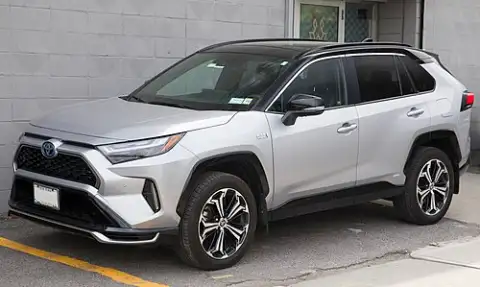
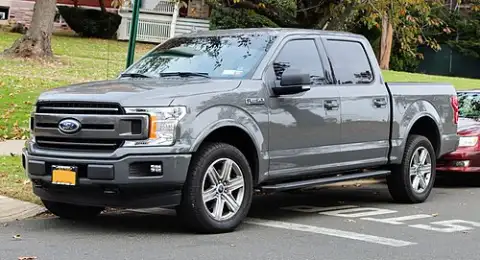
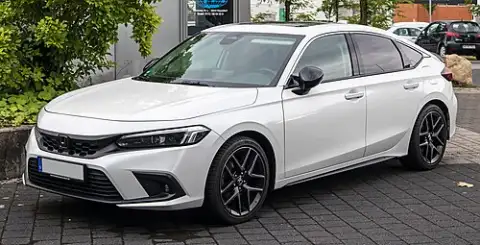
See the difference
What a plan does for a repair bill
Drag across the car. On the left, an owner without coverage pays for each repair. On the right, covered repairs are paid by the plan.
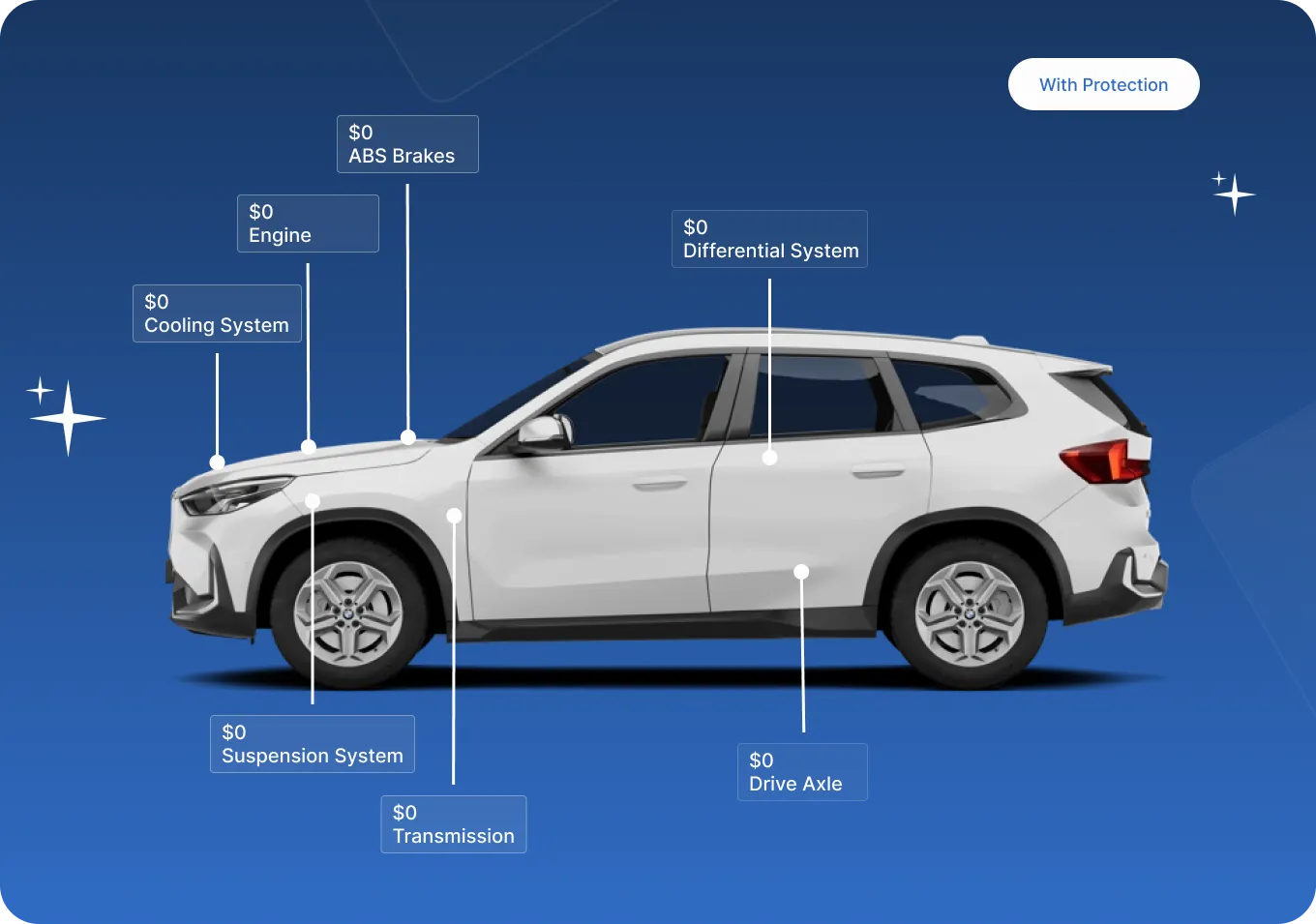
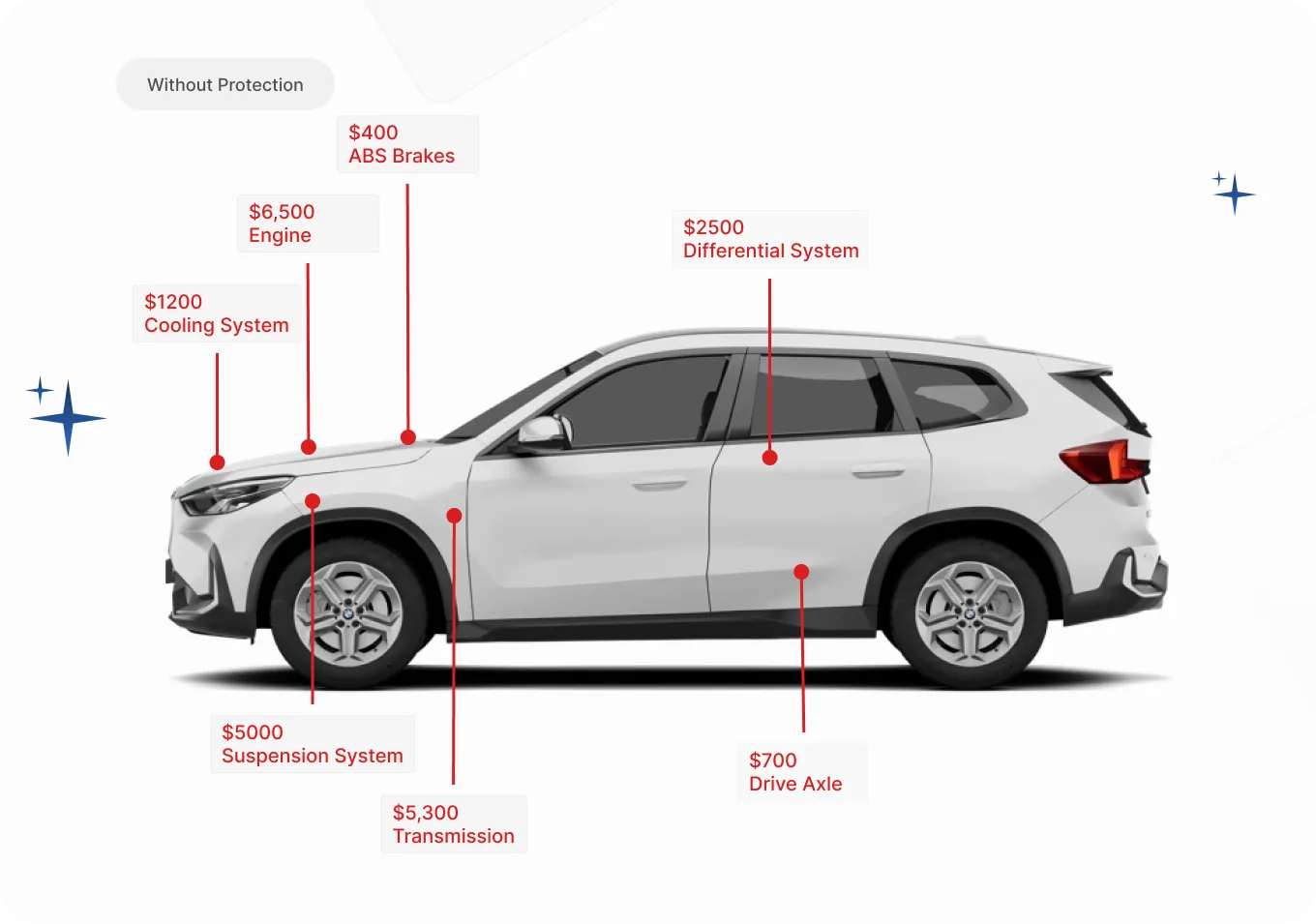
Drag the handle. Repair costs are examples; covered repairs may carry a deductible.
What an auto warranty is
What most people call an extended car warranty is a vehicle service contract: an agreement that pays for covered repairs after the manufacturer's warranty has ended. You pay for the plan, and when a covered part fails, the plan pays the repair shop for parts and labor, minus any deductible.
Who it suits
Coverage makes the most sense if you plan to keep your car past its factory warranty, if a repair bill of a few thousand dollars would strain your budget, or if your vehicle has complex systems such as a turbocharged engine, a continuously variable transmission or air suspension.
What affects the price
The vehicle's age and mileage, its make and model, the coverage level, the length of the term, the deductible you choose and where you live. That is why a quote needs your vehicle details and ZIP code.
What no plan covers
- Routine maintenance: oil changes, brake pads and rotors, tires, wiper blades, filters and fluids
- Damage from collisions, weather, flooding, vandalism or misuse
- Problems that existed before the contract started
- Paint, glass, trim, upholstery and other cosmetic items
- Failures caused by aftermarket modifications or missed maintenance
Benefits often included
Many plans add roadside assistance and towing, rental-car reimbursement while your vehicle is being repaired, and trip-interruption reimbursement if you break down away from home. Some plans can be transferred to the next owner if you sell the car.
Choose your coverage
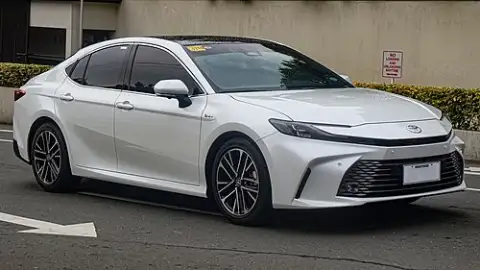
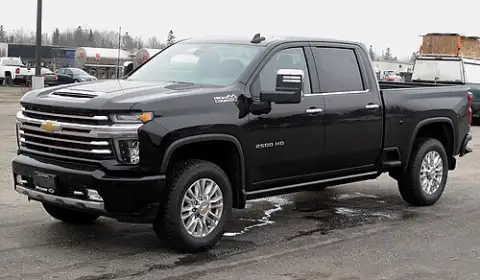
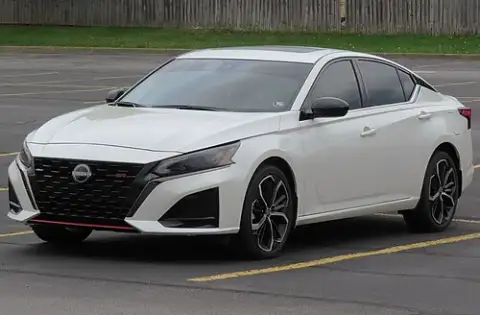
Three levels of protection
The parts that make the car move, and the most expensive to replace.
Powertrain plus the major named systems.
Exclusionary coverage: everything except a short list of exclusions.



Component guide
What each part of the car costs you
- EnginePowertrain
- TransmissionPowertrain
- Drive axle and differentialPowertrain
- Transfer case and 4WDPowertrain
- Turbocharger and superchargerPowertrain on many plans
- Air conditioningMid-level
- Electrical systemMid-level
- Cooling systemMid-level
- SteeringMid-level
- SuspensionMid-level to comprehensive
- Brake systemMid-level
- Fuel systemMid-level
- Infotainment and electronicsComprehensive
- Hybrid and EV componentsSelect plans
FAQs
Frequently asked questions
When should I buy an extended car warranty?
The best time is before the factory warranty expires. The vehicle is cheaper to cover, there is no gap in protection and more plan levels are available.
Is there a waiting period?
Most contracts have a waiting period, commonly 30 days and 1,000 miles, before a claim can be made. It exists to exclude problems that were already present.
Can I cancel?
Service contracts can generally be cancelled. Refund terms depend on the contract and on state law, and are usually pro-rated after an initial period.
Do I have to use a dealer for repairs?
Most plans allow any licensed repair facility. The shop contacts the plan administrator for authorization before starting work.