
Chevrolet Volt extended warranty
The Chevrolet Volt is a hatchback that was offered with a plug-in hybrid system. Here's what the factory warranty covers, what it leaves out and what to look for in a plan.
- BodyHatchback
- PowertrainPlug-in hybrid system
- StatusNo longer sold new
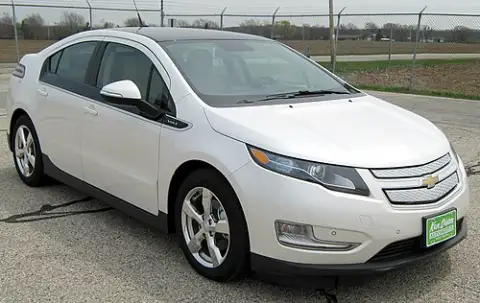
Worth covering
Parts to check in a Volt plan
- Hybrid and EV componentsThe inverter, electric drive motor, onboard charger, DC-DC converter and battery cooling pump.
- EngineThe engine block, cylinder heads and the internally lubricated parts inside them: pistons, crankshaft, camshafts, timing chain, oil pump and valve train.
- Air conditioningThe compressor, clutch, condenser, evaporator, receiver-drier and expansion valve.
How much factory warranty is left on your Volt?
Estimate only, assuming the car was first sold early in its model year. Your in-service date is on your registration or available from a dealer.
Chevrolet Volt factory warranty
New Chevrolet vehicles typically come with basic coverage for 3 years or 36,000 miles and powertrain coverage for 5 years or 60,000 miles, whichever comes first. Coverage starts on the date the vehicle was first sold. Terms can differ by model year, so confirm yours in the warranty booklet or with a Chevrolet dealer.
The Volt is no longer sold new in the US, so most examples are close to or beyond the end of factory coverage.
Why body style matters
Hatchbacks are mechanically close to small sedans, with one driven axle and modest weight. That generally keeps coverage affordable, though small turbocharged engines are increasingly common.
Plug-in hybrid system
A plug-in hybrid has the parts of a gas car and of an electric car: engine, transmission, a larger battery, an onboard charger and a charge port. Ask specifically whether the onboard charger and high-voltage components are covered.
About Chevrolet
Chevrolet's range runs from small crossovers to heavy-duty trucks, so the right coverage depends heavily on how the vehicle is used. Trucks that tow and haul put more load on the transmission, transfer case and axles.
Choose your coverage
Plan levels for the Volt
The parts that make the car move, and the most expensive to replace.
Powertrain plus the major named systems.
Exclusionary coverage: everything except a short list of exclusions.
From the blog
Reading for Chevrolet Volt owners
- Brand guidesChevrolet Factory Warranty ExplainedUnderstand Chevrolet's factory warranty, including basic and powertrain coverage, what each includes, and your options once coverage ends.4 min read
- Electric and hybridHybrid Battery Replacement: What Owners Should KnowWorried about your hybrid battery? Learn the signs of a weakening battery, replacement options, warranty coverage, and how to make it last.4 min read
- Electric and hybridEV Battery Warranties ExplainedHow electric vehicle battery warranties work, what they cover, how they treat range loss, and what happens to coverage when you buy used.4 min read
More from Chevrolet
Other Chevrolet models
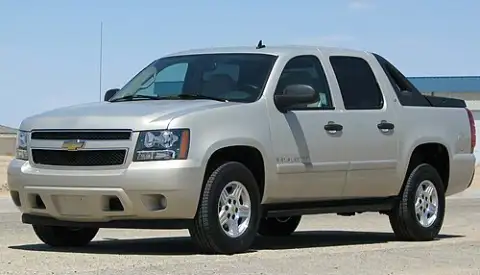 AvalancheNo longer sold new · gas engine
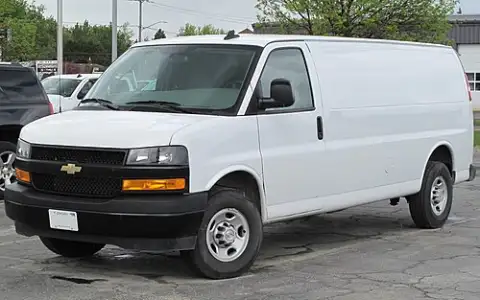 ExpressVan · gas engine
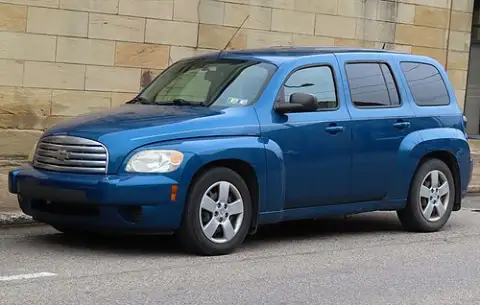 HHRNo longer sold new · gas engine
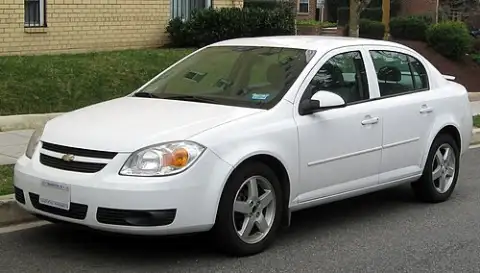 CobaltNo longer sold new · gas engine
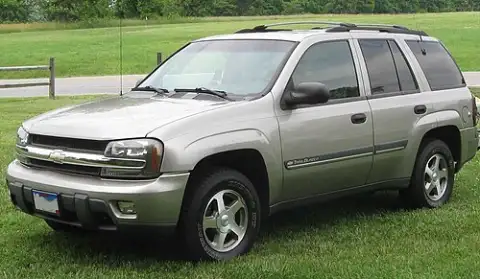 TrailBlazer EXTNo longer sold new · gas engine
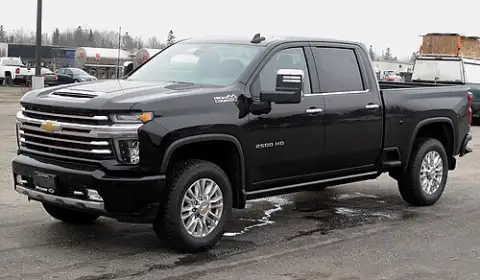 Silverado 1500Pickup · gas engine, diesel engineSilverado 2500HDPickup · gas engine, diesel engineSilverado 3500HDPickup · gas engine, diesel engine
FAQs
Frequently asked questions
Is the Chevrolet Volt eligible for extended coverage?
Eligibility depends on the vehicle's year and mileage, and each provider sets its own limits. Because the Volt is no longer sold new, older examples may qualify only for powertrain-level plans.
Which coverage level fits a Chevrolet Volt?
If the plug-in hybrid system and transmission are your main concern, a powertrain plan covers them. If you also want air conditioning, electrical parts and electronics covered, look at a mid-level or comprehensive plan.
How much does a Chevrolet Volt extended warranty cost?
Price depends on the model year, mileage, coverage level, deductible and your ZIP code. Request a quote with your details for an actual price.